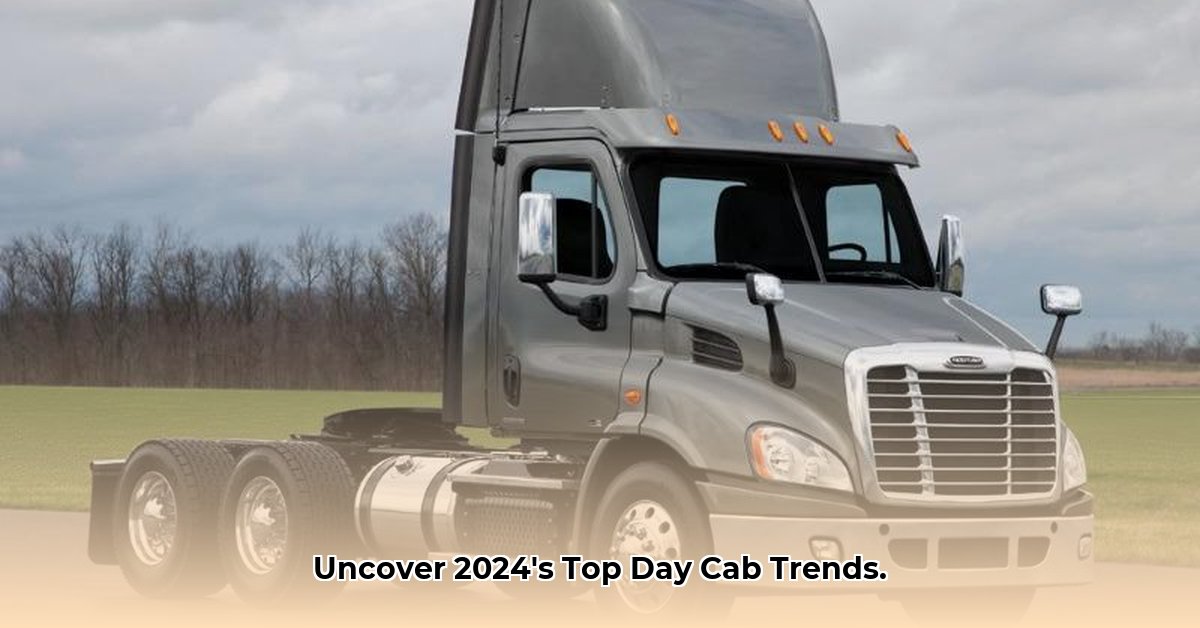
The day cab trucking market is a dynamic landscape, influenced by fluctuating fuel prices, technological advancements, and evolving regulatory landscapes. This article provides actionable insights for small trucking firms, large fleets, and dealerships navigating this complex environment. For more on improving fuel efficiency, check out this helpful resource on tractor trailer aerodynamics.
The Current State of the Day Cab Tractor Trailer Market: A Shifting Landscape
2024 presents a multifaceted day cab market. Fuel efficiency remains a paramount concern, driving demand for trucks maximizing miles per gallon. Simultaneously, the persistent driver shortage necessitates comfortable, well-maintained vehicles to attract and retain qualified personnel. Finally, technological integration, particularly advanced safety features like automatic emergency braking, is rapidly altering the industry landscape. These factors combine to create a challenging yet dynamic market ripe with opportunity. Isn't it remarkable how rapidly technology influences the trucking sector? The integration of telematics, for example, is transforming fleet management.
Buying a Used Day Cab Tractor Trailer: A Practical Guide for Small Trucking Firms
For small trucking firms, purchasing a used day cab offers a cost-effective entry point. However, careful planning is crucial.
Step 1: Assess Your Needs: Define your cargo capacity, typical route lengths, and budget constraints to identify suitable truck specifications. This foundational step ensures you're investing in a truck that fits your unique operational needs.
Step 2: Conduct Thorough Research: Explore online listings, auction sites, and local dealerships, comparing prices and features. Remember, thorough research is key to securing a profitable purchase.
Step 3: Obtain a Professional Inspection: Before finalizing any purchase, engage a trusted mechanic for a comprehensive inspection. This preventative measure helps avoid costly unforeseen repairs.
Step 4: Secure Financing: Explore loan options from banks and credit unions specializing in commercial vehicles. Pre-approval simplifies the purchasing process and strengthens your negotiating position.
Step 5: Negotiate Effectively: Skillfully negotiate the purchase price, considering the truck's condition, market value, and necessary maintenance. Remember, a well-negotiated price translates to higher profitability.
Step 6: Plan for Maintenance: Budget for routine maintenance to minimize downtime and unexpected costs. Proactive maintenance is a significant cost-saving measure in the long term.
Optimizing Your Day Cab Fleet: Strategies for Large Carriers
Large carriers require strategic fleet management practices to ensure efficiency and ROI.
Leverage Technology: Telematics systems provide real-time data on truck location, performance, and driver behavior, enabling route optimization and fuel savings. Adopting these systems can increase efficiency significantly.
Prioritize Preventative Maintenance: Implement a robust maintenance schedule to minimize breakdowns and extend the life of your fleet. This proactive approach saves money across the board.
Invest in Driver Retention: Prioritize driver comfort and well-maintained equipment to reduce turnover costs. Happy drivers lead to improved efficiency.
Stocking Your Lot: Advice for Dealerships
Dealerships play a pivotal role in the used day cab market. Effective inventory management is essential.
Understand Regional Demand: Analyze local market trends to identify the most sought-after day cab models and features. Knowing your market is critical for profitability.
Implement Competitive Pricing: Research competitor pricing strategies to ensure your inventory is competitively priced. Pricing is pivotal toward sales.
Optimize Inventory Management: Maintain a balanced inventory to meet demand without excessive overstocking. Maintaining a healthy inventory balance is key.
Weighing the Pros and Cons of Day Cab Tractor Trailers
Day cabs offer both advantages and drawbacks. Careful consideration is critical before purchase.
| Feature | Pros | Cons |
|---|---|---|
| Operating Cost | Lower initial cost and often lower maintenance. | Limited driver rest; potentially requiring multiple drivers. |
| Driver Comfort | Suitable for shorter routes. | Less comfortable for long hauls; can lead to driver fatigue. |
| Maintenance | Generally simpler design, reducing maintenance complexity. | May require more frequent maintenance due to higher usage. |
The 2024 day cab market is dynamic and competitive. The insights provided here empower small firms, large fleets, and dealerships to make informed decisions and thrive in this evolving landscape. Continuous market analysis remains vital for long-term success.